


Charging Ahead: The Evolution of Electric Vehicle Charging Infrastructure
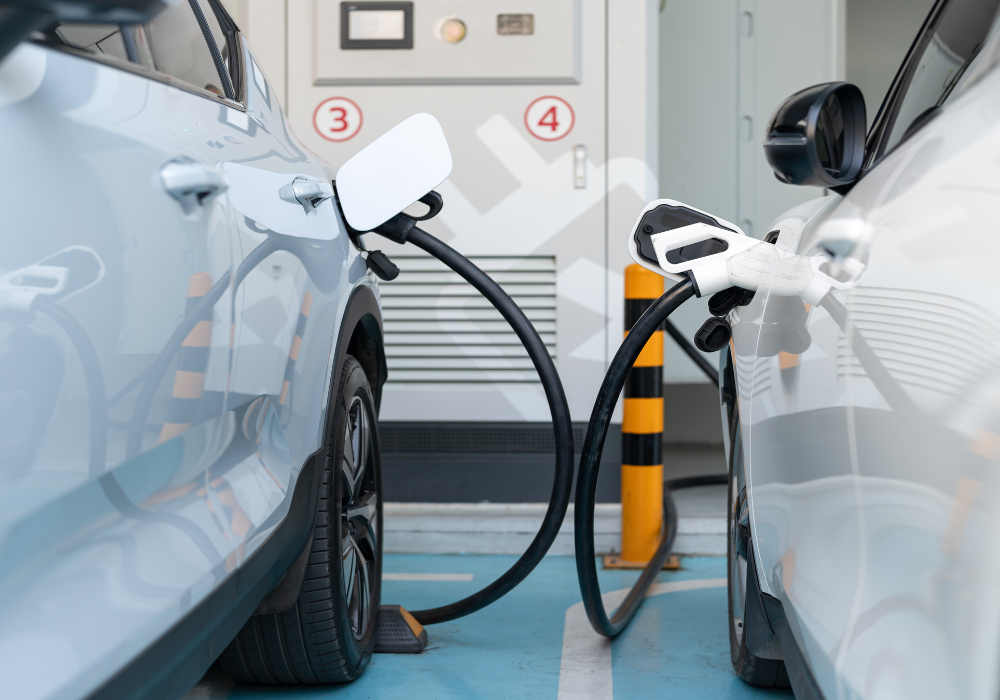
The electrification of transportation has ushered in a new era of mobility, one where vehicles are powered by clean energy sources and emissions are a thing of the past. Central to this transformation is the development of robust electric vehicle (EV) charging infrastructure, which plays a critical role in supporting the widespread adoption of electric vehicles and ensuring their seamless integration into our daily lives. Let’s explore the evolution of EV charging infrastructure and its significance in accelerating the transition to a sustainable transportation future.
The early days of electric vehicles were marked by limited charging options and range anxiety, as drivers grappled with the challenge of finding reliable charging stations for their EVs. However, rapid advancements in charging technology have transformed the landscape, paving the way for a network of charging infrastructure that is faster, more accessible, and more convenient than ever before.
One of the most significant developments in EV charging infrastructure is the proliferation of fast-charging stations, capable of delivering high-power charging to quickly replenish EV batteries. These stations utilize direct current (DC) charging technology to provide rapid charging speeds, allowing drivers to add hundreds of miles of range in a matter of minutes. Fast-charging networks such as Tesla’s Supercharger network and third-party providers like Electromove’s Terra 360 are expanding rapidly, offering drivers greater flexibility and peace of mind on long-distance journeys.
In addition to fast-charging stations, the evolution of EV charging infrastructure has seen the emergence of smart charging solutions that leverage data analytics and connectivity to optimize charging efficiency and grid integration. Smart charging systems can dynamically adjust charging rates based on grid conditions, energy demand, and pricing signals, helping to alleviate strain on the electrical grid during peak periods and maximize the use of renewable energy sources.
Furthermore, the concept of bi-directional charging, also known as vehicle-to-grid (V2G) technology, is gaining traction as a means of enhancing grid stability and resilience. With V2G-enabled vehicles, EV batteries can serve as mobile energy storage units, capable of storing excess energy from the grid during off-peak hours and feeding it back into the grid during times of high demand or grid instability. This bidirectional flow of energy not only helps to balance supply and demand on the grid but also provides an additional revenue stream for EV owners.
As EV adoption continues to soar, the need for widespread and accessible charging infrastructure becomes increasingly critical. Governments, utilities, and private companies are investing heavily in the deployment of charging infrastructure, with initiatives ranging from public funding programs to incentives for private investment. By building out a comprehensive network of charging stations, stakeholders aim to address range anxiety, promote EV adoption, and accelerate the transition to a cleaner, more sustainable transportation system.
Looking ahead, the evolution of EV charging infrastructure shows no signs of slowing down. As technology advances and market demand grows, we can expect to see continued innovation in charging solutions, including ultra-fast charging, wireless charging, and integration with renewable energy sources. With a robust and reliable charging infrastructure in place, the future of electric mobility is brighter than ever, promising a world where clean, efficient transportation is accessible to all.
In conclusion, the evolution of EV charging infrastructure represents a monumental shift in the way we power and move vehicles. From fast-charging networks to smart grid integration, the advancements in charging technology are paving the way for a future where electric vehicles are the norm rather than the exception. By investing in charging infrastructure, we are not only supporting the growth of electric mobility but also laying the foundation for a more sustainable and resilient transportation system for generations to come.
