


Empowering Communities: The Role of Electric Buses in Sustainable Urban Transit
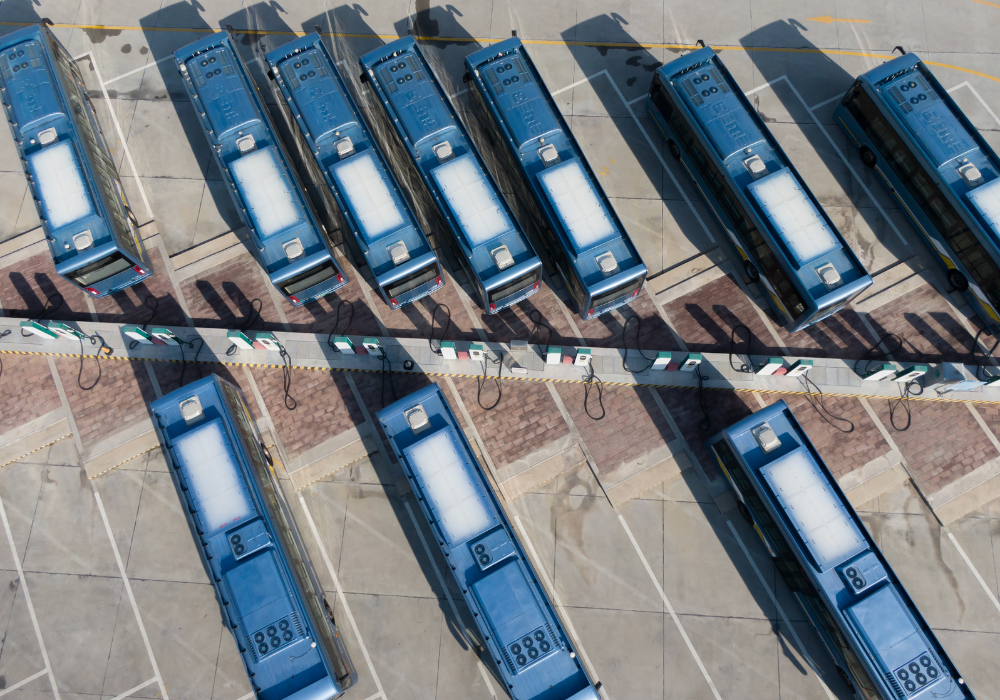
The Role of Electric Buses in Sustainable Urban Transit
In the pursuit of creating cleaner, greener cities, the transportation sector plays a pivotal role. As urban populations continue to grow, so too does the demand for efficient and environmentally friendly modes of transit. In response to this need, electric buses have emerged as a promising solution, offering cities a sustainable alternative to traditional diesel-powered vehicles. Let’s delve into the transformative impact of electric buses on urban transit systems and their role in shaping a more sustainable future for communities worldwide.
Electric buses represent a significant advancement in transportation technology, leveraging electric propulsion systems to eliminate harmful emissions and reduce carbon footprints. Unlike their diesel counterparts, which emit pollutants such as nitrogen oxides and particulate matter, electric buses produce zero tailpipe emissions, making them a cleaner and healthier option for urban environments. By transitioning to electric buses, cities can effectively reduce air pollution, improve air quality, and mitigate the adverse effects of vehicle emissions on public health and the environment.
Furthermore, electric buses offer numerous operational advantages that enhance the efficiency and reliability of urban transit systems. With their electric drivetrains, these vehicles deliver smooth and quiet rides, providing passengers with a more comfortable and enjoyable commuting experience. Additionally, electric buses require less maintenance than diesel buses, resulting in lower operating costs and increased uptime for transit agencies. These cost savings can be reinvested into improving transit infrastructure, expanding service coverage, and enhancing the overall quality of public transportation for residents.
The adoption of electric buses also aligns with broader sustainability goals and environmental initiatives embraced by cities worldwide. By integrating electric buses into their transit fleets, municipalities demonstrate their commitment to reducing greenhouse gas emissions, combating climate change, and promoting sustainable urban development. Electric buses serve as tangible symbols of progress and innovation, signaling a transition towards cleaner, more sustainable transportation solutions that benefit both current and future generations.
Moreover, the widespread deployment of electric buses contributes to the growth of renewable energy infrastructure and the advancement of smart grid technologies. By leveraging renewable energy sources such as solar and wind power to charge electric buses, cities can further reduce their reliance on fossil fuels and accelerate the transition to a low-carbon economy. Additionally, electric buses can serve as mobile energy storage units, supporting grid stability and resilience through vehicle-to-grid (V2G) integration and bidirectional charging capabilities.
As cities continue to expand their electric bus fleets, manufacturers and transit agencies are collaborating to develop innovative solutions that address the unique challenges of urban transit. Companies like Electromove are leading the charge in designing and manufacturing cutting-edge electric buses tailored to the needs of modern cities. With advanced features such as fast charging technology, regenerative braking systems, and intelligent fleet management software, electric buses are setting new standards for efficiency, sustainability, and passenger comfort.
In conclusion, electric buses represent a transformative force in the realm of urban transit, offering cities a sustainable and efficient solution for meeting the transportation needs of growing populations. By embracing electric mobility, cities can reduce air pollution, improve public health, and create more livable and vibrant communities for all residents. As we look towards the future, electric buses stand as beacons of progress, driving us towards a cleaner, greener, and more sustainable urban landscape.
